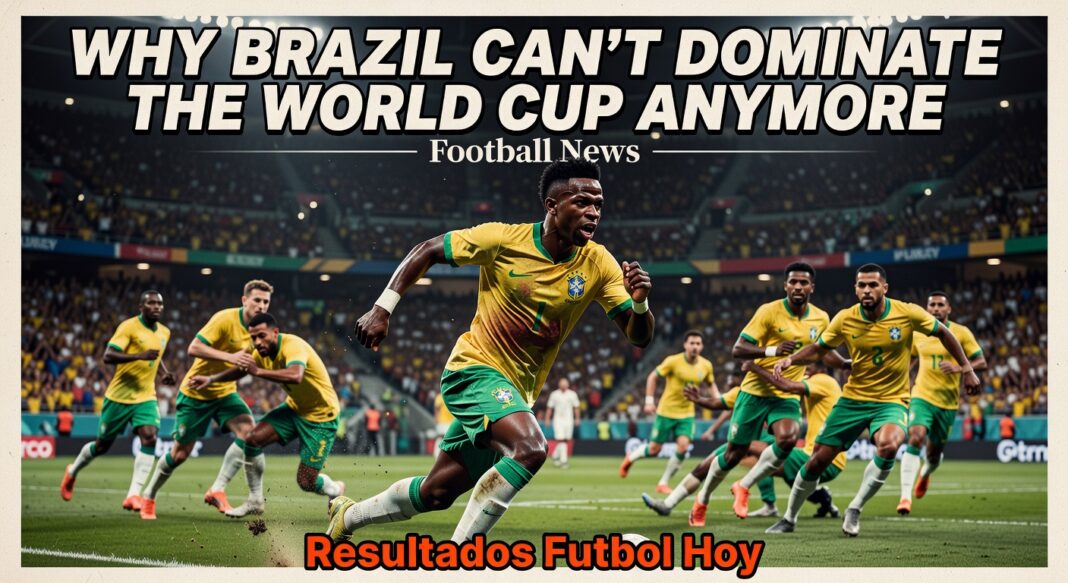


For much of modern football history, the Brazil national football team has served as the benchmark for World Cup excellence. From their dominance in the early 2000s to their reputation as perennial contenders, Brazil once entered every tournament as the team to beat.
However, in recent cycles, that aura has faded, replaced by inconsistency and mounting questions about whether the Seleção can truly return to the top. Back-to-back quarterfinal eliminations at the World Cup have highlighted a gap between expectation and reality. For a nation that measures success in titles, not just deep runs, falling short in decisive knockout matches has become an uncomfortable pattern.
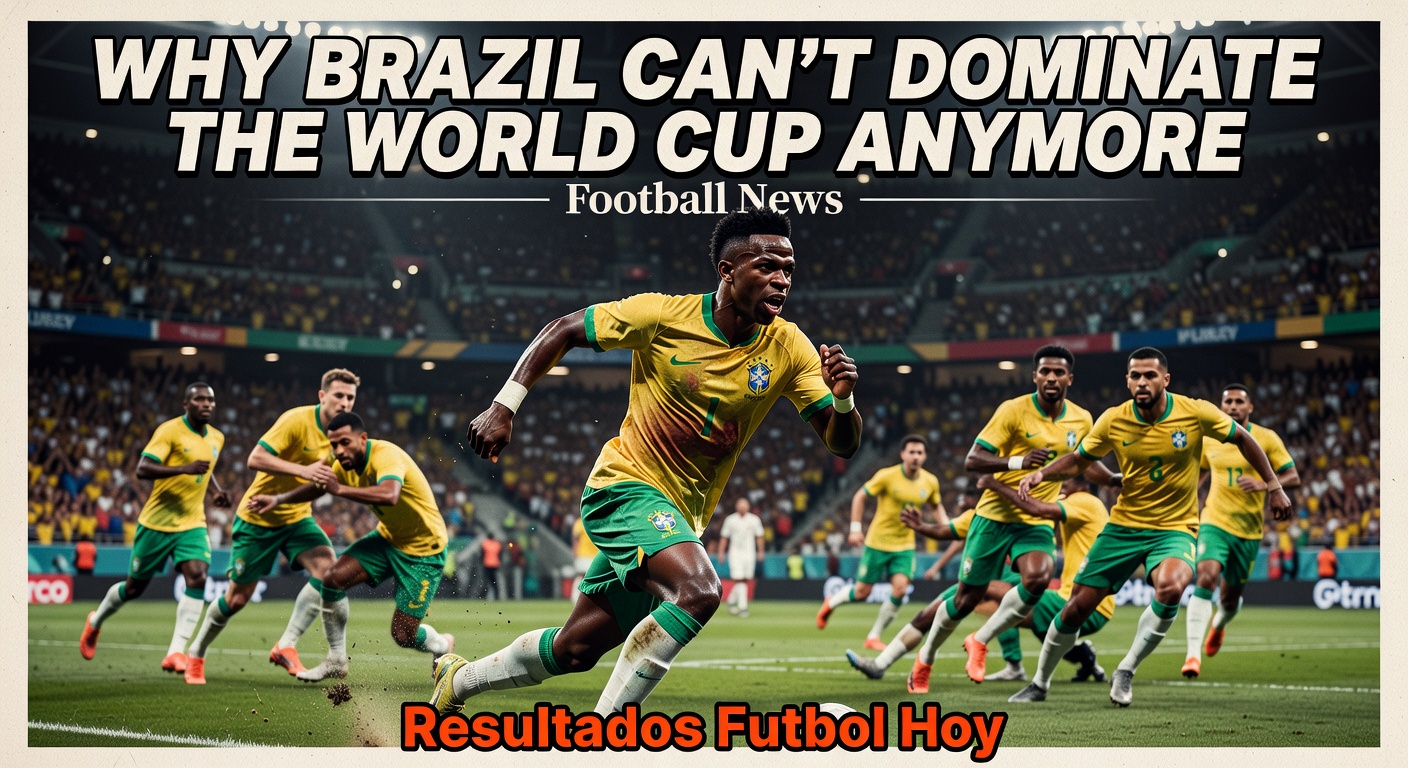
Brazil Viewed as Serious 2026 World Cup Contender
Brazil’s Attacking Firepower Meets Challenges in Cohesion
While Brazil continues to produce world-class talent, it has not translated into the same level of dominance that defined its golden eras. One key reason lies in balance. Brazil has no shortage of attacking firepower, and the current generation is no exception. Players like Vinícius Júnior, Militao, and Raphinha bring speed, creativity, and unpredictability. On paper, it is a front line capable of overwhelming any defense. In practice, however, turning that individual brilliance into a cohesive attacking system has proven more difficult.
Ancelotti’s Arrival Sparks Optimism for Brazil
The arrival of Carlo Ancelotti has generated a lot of expectation. Widely regarded as one of the best man-managers in the sport, Ancelotti built his reputation on maximizing elite talent and managing egos at the highest level, particularly during his time with Real Madrid. His ability to create structure without stifling creativity could be exactly what Brazil has been missing. If anyone can harness the attacking chaos into something efficient and sustainable, it is a coach with his résumé.
Defensive Instability and Midfield Control Remain Key Issues
Still, the challenge extends beyond the final third. Brazil’s recent struggles have often come down to defensive instability and a lack of control in midfield. Even with top-level players like Alisson Becker in goal and Gabriel Magalhães anchoring the back line, the team has shown vulnerability in key moments. Losses to Bolivia and Japan in recent months underscored those issues, particularly the collapse against Japan after building a 2-0 lead.
Conceding three goals in a short span exposed a recurring problem: Brazil can dominate stretches of a match but struggle to maintain composure and structure. The midfield remains central to solving that issue. Veterans like Casemiro and playmakers such as Bruno Guimarães are tasked with providing the balance between attack and defense. Their ability to control tempo, protect the back line, and connect play will likely determine how far Brazil can go in a major tournament.
Brazil as a Serious Contender for 2026 World Cup
Brazil is once again being viewed as a serious contender, suggesting that the talent level alone keeps them in the conversation among the world’s elite. But being ranked highly and actually winning the World Cup are very different challenges. Recent tournaments have shown that depth and star power are not enough without tactical discipline and defensive reliability.
The question is not whether Brazil has the talent to dominate—it clearly does. The real issue is whether it can evolve into a more complete team. The early 2000s squads combined flair with structure, producing teams that were not only entertaining but also ruthlessly efficient. Replicating that balance has proven difficult in the modern game.
With Ancelotti now in charge, there is a sense that Brazil may finally have the leadership needed to bridge that gap. His track record suggests he can organize the team defensively while still allowing its attacking stars to shine. If he succeeds, Brazil could reestablish itself as the dominant force it once was. For the latest match updates and Resultados Futbol Hoy on Brazil and other teams, visit Resultados Futbol Hoy.